The Trauma Root of Social Work Is Out Today!

The moment has finally arrived!
My next book is now officially available.

A book written for social workers and policy makers in that domain, and relevant for anyone doing social…work… (in other words, working with people in any way).

It explores how our stress response system influences the way we experience the world and respond to it, and how our experiences affect our brain development.
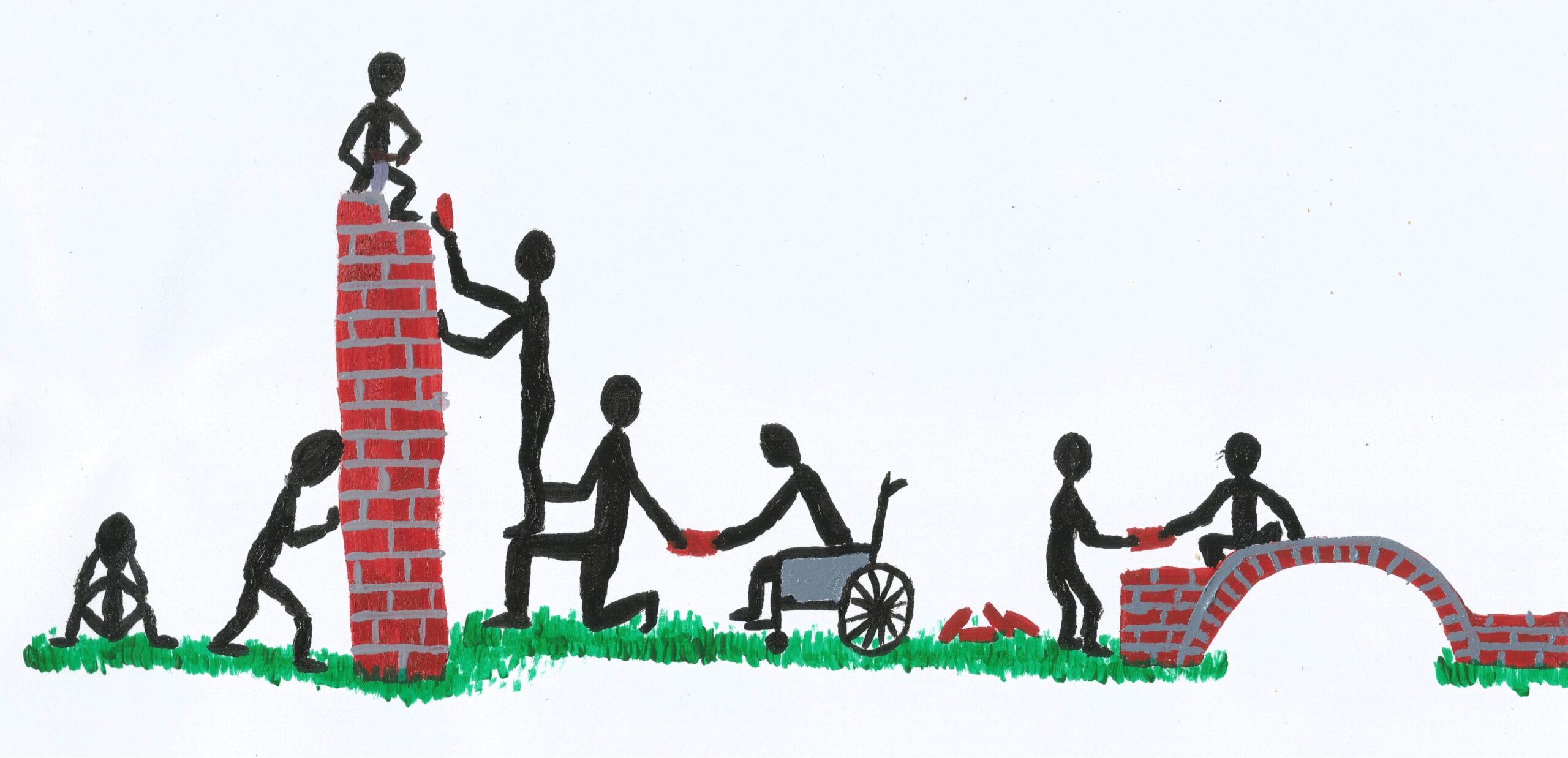
It looks at how experiences that have not been processed and integrated and feelings that are suppressed still have a significant effect on our functioning, and how this can be visualised by the trauma wall model.
From there, it explores the consequences of this and how this affects both the people we try to support and the professionals offering support.
And it looks the significant impact and ripples that can be caused by ‘breaking down trauma walls’ through enabling people to feel heard, like they belong, that they are safe and that trust is possible.
Using trauma-proactive approaches and identifying and addressing root causes – instead of focusing on symptom management – are crucial there. The cherry on top is that this comes with a significant return on investment.

The book brings together and gratefully builds on the work of many experts from a variety of field.

I look forward to hearing what people think of the book.

You can order a copy here, and if you use the code 26AFLY3, you get 20% discount:
https://www.routledge.com/The-Trauma-Root-of-Social-Work-Beyond-the-Trauma-Wall/Koenderink/p/book/9781041127406

A Conversation About Aspects of Trauma and the Wall

In this conversation with Kevin R. Strauss, various aspects of trauma come up. As well as an explanation of what the Trauma Wall is and how it shows up, unprepared, so unpolished.

Enjoy the conversation

Continue reading “A Conversation About Aspects of Trauma and the Wall”

Recognising the Trauma in Hate

I am seeing more and more marches, rallies, and demonstrations planned, in different countries this month, against hate, racism, and crumbling democracies. On the one hand, this is heartening. To see people stand up, stand together, and stand against injustice and aggression gives hope. It makes me, and many others, feel less alone. But then, there is the other hand. It also makes me feel somewhat uneasy. Not because I object to these acts of solidarity and principle, but out of worry about the shape they may take.

Continue reading “Recognising the Trauma in Hate”

Different Aspects of the Beyond the Trauma Wall Initiative

Through many conversations and other interactions with people about the Beyond the Trauma Wall Initiative, a clearer sense of its practical aims is emerging. Writing my upcoming book, ‘The Trauma Root of Social Work: Beyond the Trauma Wall’ has also contributed to that. It is through having very different conversations with people from different sectors and backgrounds that the generally applicable through-lines gradually become more visible. I want to share them with you here.

Continue reading “Different Aspects of the Beyond the Trauma Wall Initiative”

Explaining It to a Four-Year-Old

I believe that awareness of such things as the effects of the activation of the stress response and how to hold space could and should be taught in schools. Because of that and because I was asked this week how I break down very complicated things so that they are understandable without losing the true meaning, I thought I’d give an example of how I would explain dysregulation and coregulation to my four-year-old niece:

Continue reading “Explaining It to a Four-Year-Old”

The Ability to Offer Support with Trauma

When someone has experienced trauma, or an event so overwhelming that it has the potential to become trauma if it is not processed, they are in need of support. To be able to process either current traumatic stress or past trauma, we need to feel safe and supported at a deep level. To experience this safety, we need to feel connected with other people, to not feel alone and helpless. However, it is not a simple thing to support someone with trauma, and not everyone is able to do so.

Continue reading “The Ability to Offer Support with Trauma”

The Whys of Reform to Include a Trauma Lens

It is useful to have a look at why it is necessary to have reforms of various sectors to make sure that they are truly trauma-informed. As well as to point out that while this can seem like a daunting task, it is very feasible and worthwhile.

Continue reading “The Whys of Reform to Include a Trauma Lens”

The Need for (Particular) Addiction

Through the research I am doing for the Beyond the Trauma Wall book, my insight into the link between addiction and attachment is crystalising. A few years ago, I started to see a deeper root cause already, I would like to take this a bit further now.

Continue reading “The Need for (Particular) Addiction”

(Why) Is There More Trauma Now?

The question ‘why is there suddenly more trauma?’ is often heard. With everything I know about trauma, which by now is quite a lot, I have long had a strong sense that there isn’t actually more trauma. However, I was not quite able to articulate clearly why I felt that, beyond believing we are starting to recognise it more. As I read Rutger Bregman’s book ‘Utopia for Realists’, a lot is suddenly falling into place. He does not articulate the situation related to trauma, but what he describes gives me language for my long-held view.

Continue reading “(Why) Is There More Trauma Now?”