
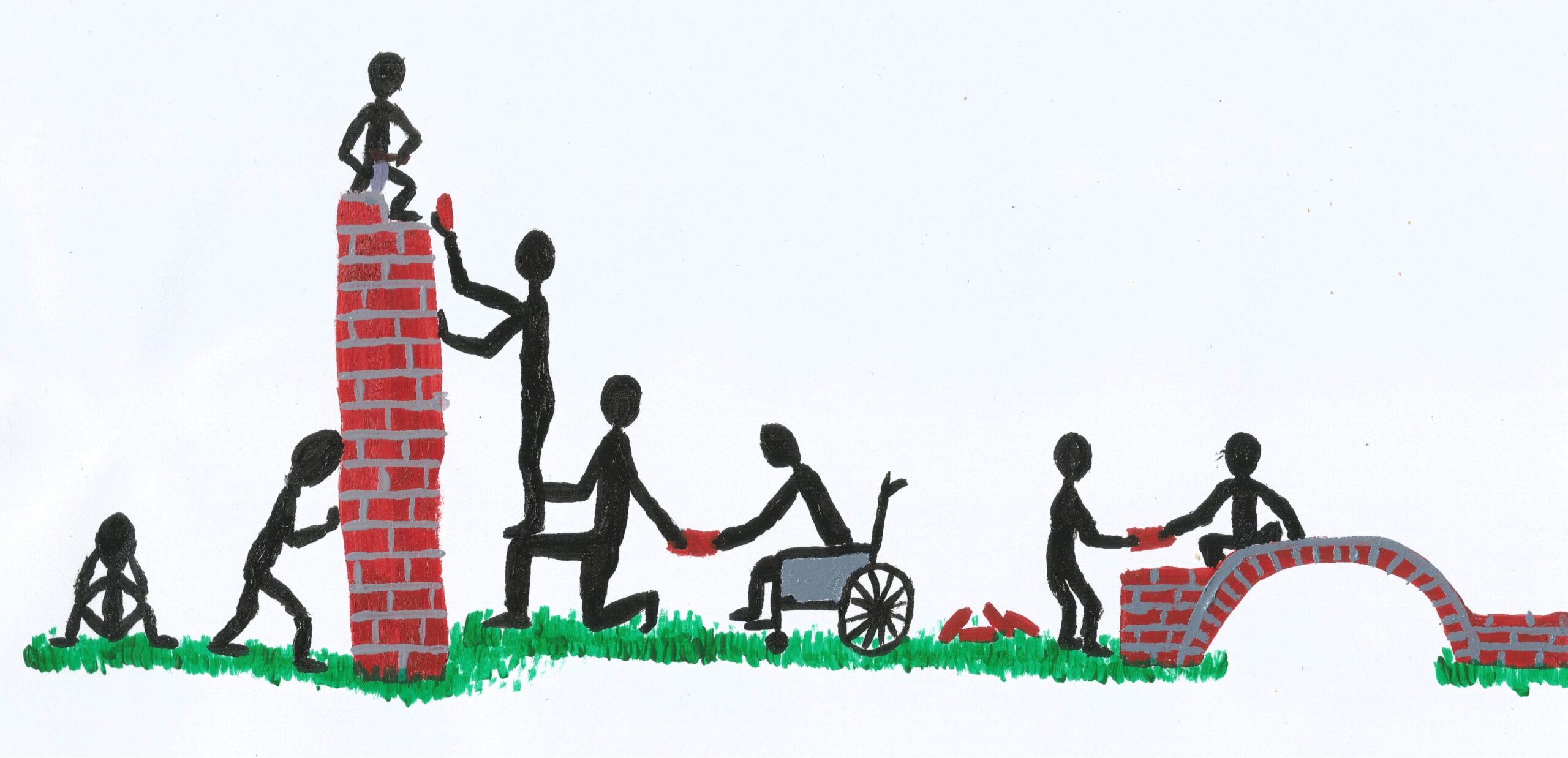
This tends to be said rhetorically. It is taken as a given that we can’t. Often trauma is seen as something inevitable, inescapable, and to be lived with. Similarly, too often, trauma awareness or trauma-informed practice is seen as at best recognising and having understanding for the trauma experienced by someone. While I acknowledge that trauma cannot be fully eradicated (people will die, accidents and disasters will happen and people will be affected by that) my belief is that a very large proportion of trauma can be prevented, just not overnight.
Continue reading “If Only We Could Prevent Trauma…”Tag: #traumainformedpractice
It’s About the Response…
You may have heard it said that trauma is not caused by what happened, but by how we respond to what happens, internally. This is true, but I think it is incomplete. It panders to the desire to put something incredibly complex into a few words or a short sentence. The shortest way I can think of to formulate what is really meant, is as follows:
Continue reading “It’s About the Response…”Reforming Child Protection Systems, Globally
Currently, child protection reform is generally understood as a move from residential to family-based alternative care and a need to build strong gatekeeping mechanisms. Moreover, many see it as something that needs to happen ‘over there, in the global South’, because ‘over here’ the system works, it just needs some fine-tuning and minor improvements. In this fine-tuning, the increasing trend of adding on trauma-informed practices is seen as a breakthrough and major improvement (don’t get me wrong, I’m not disputing that this is certainly a lot better than not having them). I have come to view this very differently.
Continue reading “Reforming Child Protection Systems, Globally”