
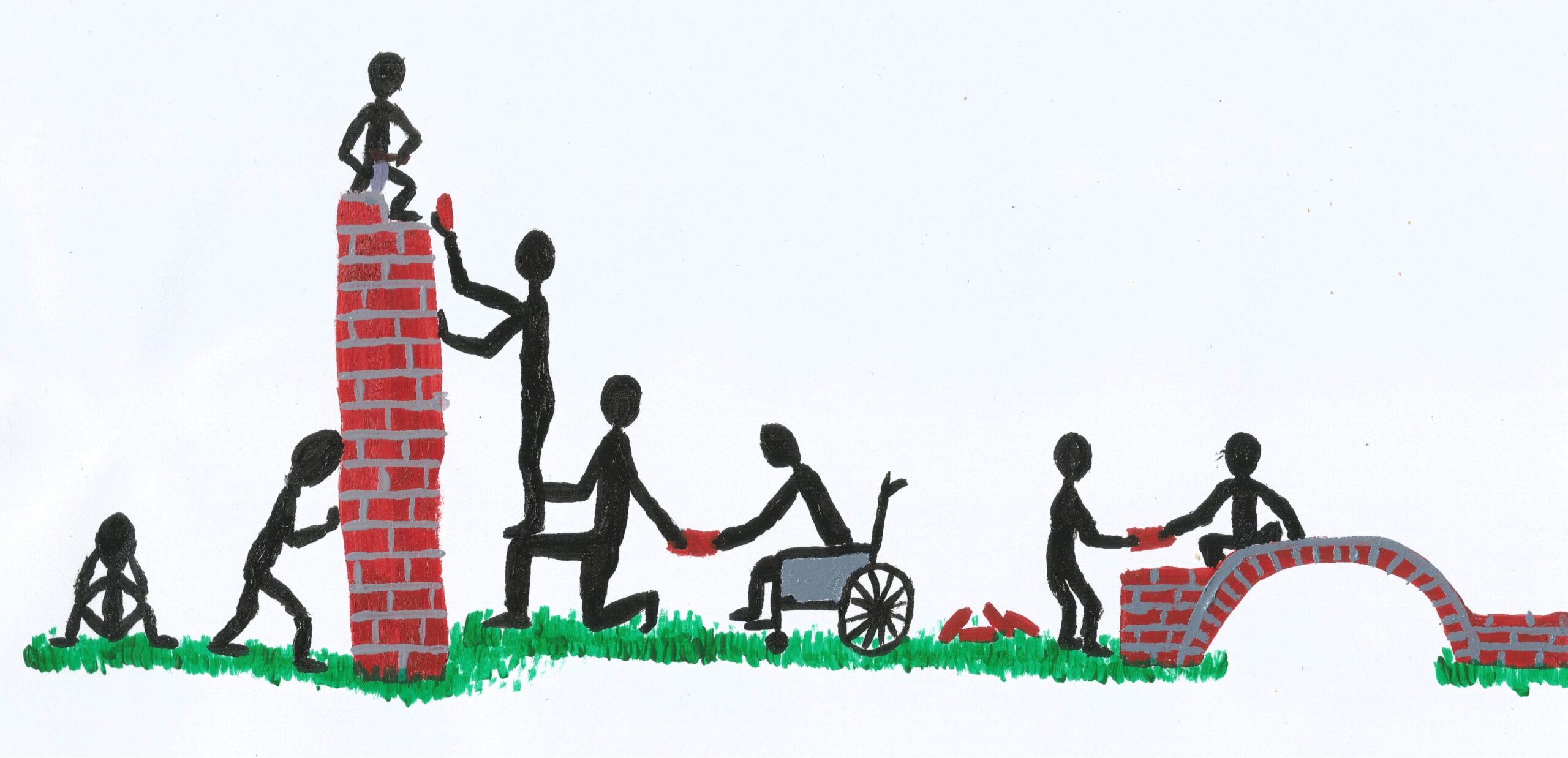
It is useful to have a look at why it is necessary to have reforms of various sectors to make sure that they are truly trauma-informed. As well as to point out that while this can seem like a daunting task, it is very feasible and worthwhile.
The mental health of children and adolescents has been an increasing concern over the past decade or so. Elaborate studies across the world have confirmed the results of the initial ACE (Adverse Childhood Experience) study, which shows that there are direct links between having ACEs and significantly higher risk of mental health problems, addiction and a wide range of physical health problems. These studies show that regardless of the country, by the time they reach adulthood, consistently, around 50-60% of people have at least one ACE and 15-20% have four or more ACEs. ACEs are defined as ten very specific experiences that are easily defined and understood for research purposes. Many experiences widely acknowledged as likely to be traumatic for many children and to have a significant impact on mental health are not included in these studies.
Currently, the most prevalent approach to strengthening mental health services and policies is to focus on the increased availability of counsellors and therapists – this is what ‘mental health services’ are generally considered to consist of. It is certainly essential that there is sufficient availability of these types of experts. Moreover, there need to be enough experts with the knowledge and skills to support the broad range of needs, including appropriate services for those with neurodiversity, hearing or communication impairments, different cultural or linguistic backgrounds, different ages and levels of development, as well as different mental health challenges. However, to only focus on therapeutic experts is to ignore the evidence that says that healthy relationships and social capital are the most healing and protective factors. In fact, experts repeatedly state that without healthy, supportive relationships and a sense of connection, even the help of an excellent psychotherapist is unlikely to have the desired outcomes. The influence of social relationships and community on mental health is such that without a broad approach that takes these into account and invests in strengthening them, goals of positive outcomes of reform are unlikely to be achieved.
Another shortcoming of the prevalent approach to improving mental health provisions, is that the above tends to be the only area focused on: How do we get better at fishing people out of the river? When it is known, and at this point indisputable, that the vast majority of mental health problems are the result of ACEs and other severely challenging and overwhelming experiences, we have a moral obligation to look at how these could be prevented. In other words, finding out why people are falling into the river and seeing what can be done to prevent that. This can seem like something too big and intractable to tackle, but it really is not.
If you want to support the development of this book, you can do so on my GoFundMe page: https://gofund.me/6eaecd6d
Please share this post to help spread awareness.